

How to Check Camphor Purity at Home: 6 Tests That Take Two Minutes
Six quick tests — flame, residue, water, smell, touch and label — that separate 100% pure camphor from a wax-cut tablet, using…
Shiv Shakti Quality Desk 8 min
Long before it was a puja item, camphor was a household one. Most of these uses survive because they are quietly practical.
In most Indian homes camphor lives on the puja shelf and nowhere else. A generation ago it also lived in the almirah, the storeroom and the evening routine. None of these traditions are medical advice, and we are a camphor maker rather than a clinic — but they are worth writing down, along with the safety rules that always came with them.
A few tablets in a cloth pouch, tucked at the back of a wardrobe, are the oldest use after worship. Camphor vapour is what you are after, so the pouch must breathe — a sealed box does nothing. Replace every few weeks, because as our storage guide explains, open camphor disappears quickly by design.
Keep it away from silk and from anything with a delicate finish, and never let a tablet sit directly against fabric.
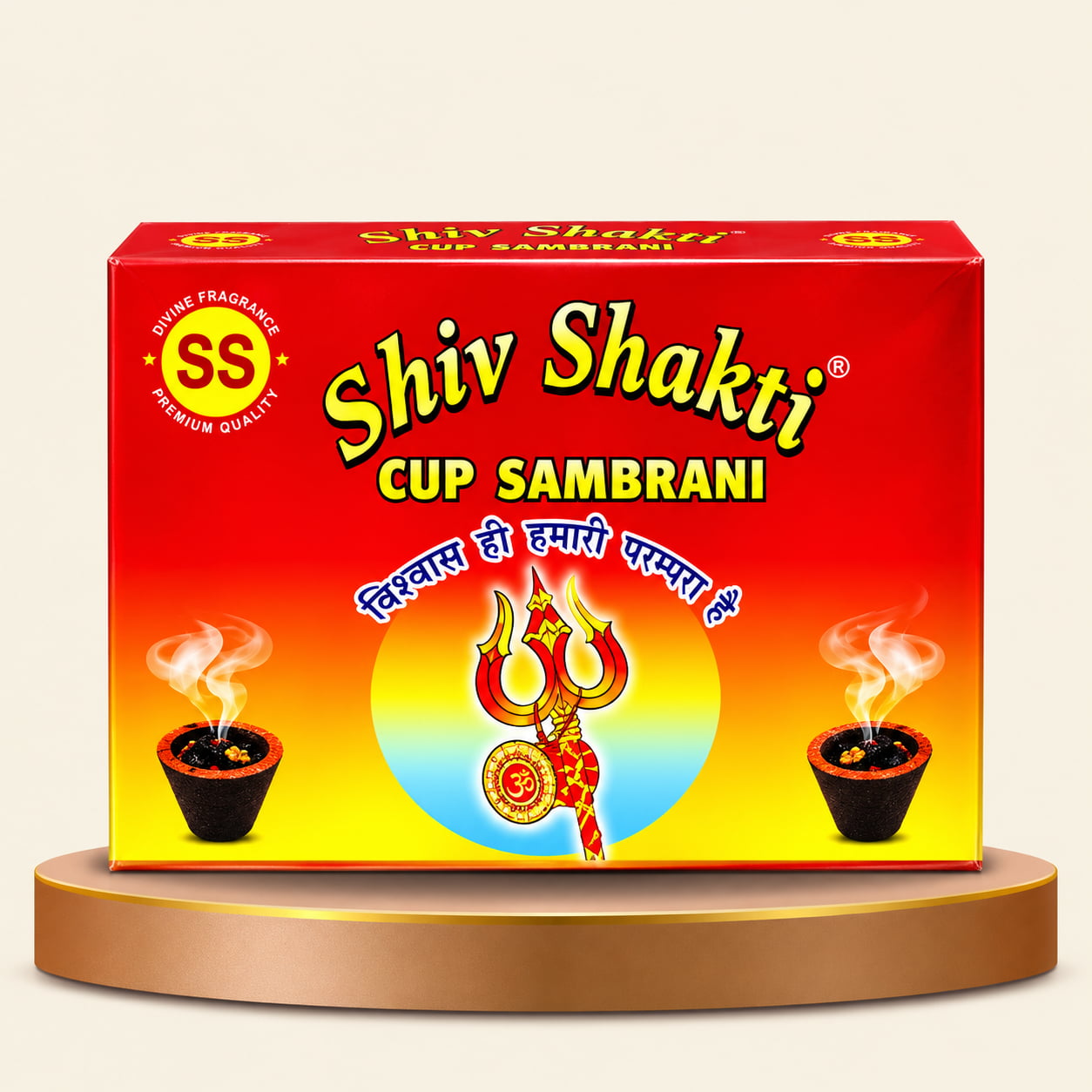
A room closed for a week in July smells of damp because still, humid air has nowhere to go. The traditional answer is fragrance plus airflow: open a window, light a sambrani cup or a dhoop cone on a metal plate, and let the room clear for fifteen minutes.
Sambrani is the strongest of the two and the traditional choice for this. Our comparison of agarbatti, dhoop and sambrani explains why.
In many households the lamp is lit at dusk, a stick of agarbatti is set going, and a sambrani cup is carried once through the house before the family sits down to eat. Whatever else it does, a fixed fragrance at a fixed hour is a remarkably effective signal that the working day is over.
During Diwali and other long pujas the temptation is to burn everything at once. The traditional sequence is gentler and works better: agarbatti through the day, camphor only for the aarti itself, sambrani at the end. Our Diwali checklist sets out quantities so you are not lighting six tablets in a closed room.
Trunks, lofts and storerooms that are opened twice a year carry the same problem as the monsoon bedroom. A breathable pouch of camphor tablets in the trunk and a dhoop stick lit near the door when you open it is the old routine. Our wet dhoop sticks are the format normally used for a space that large.
One agarbatti will not scent a three-bedroom house, and lighting six is unpleasant. The way it has always been done is by zone: light sticks in the puja room and the hall, a dhoop cone in the room that needs the most help, and nothing in the bedrooms until an hour before they are used.
Please read this part. Puja camphor is not food or medicine. Do not eat it, do not add it to drinking water, and do not apply it to skin. Keep tablets and pouches out of reach of children and pets — camphor is genuinely harmful if swallowed. Burn it only on metal or stone, never unattended, and never in a room with the door and windows both shut. If a lot has been burnt, open a window.
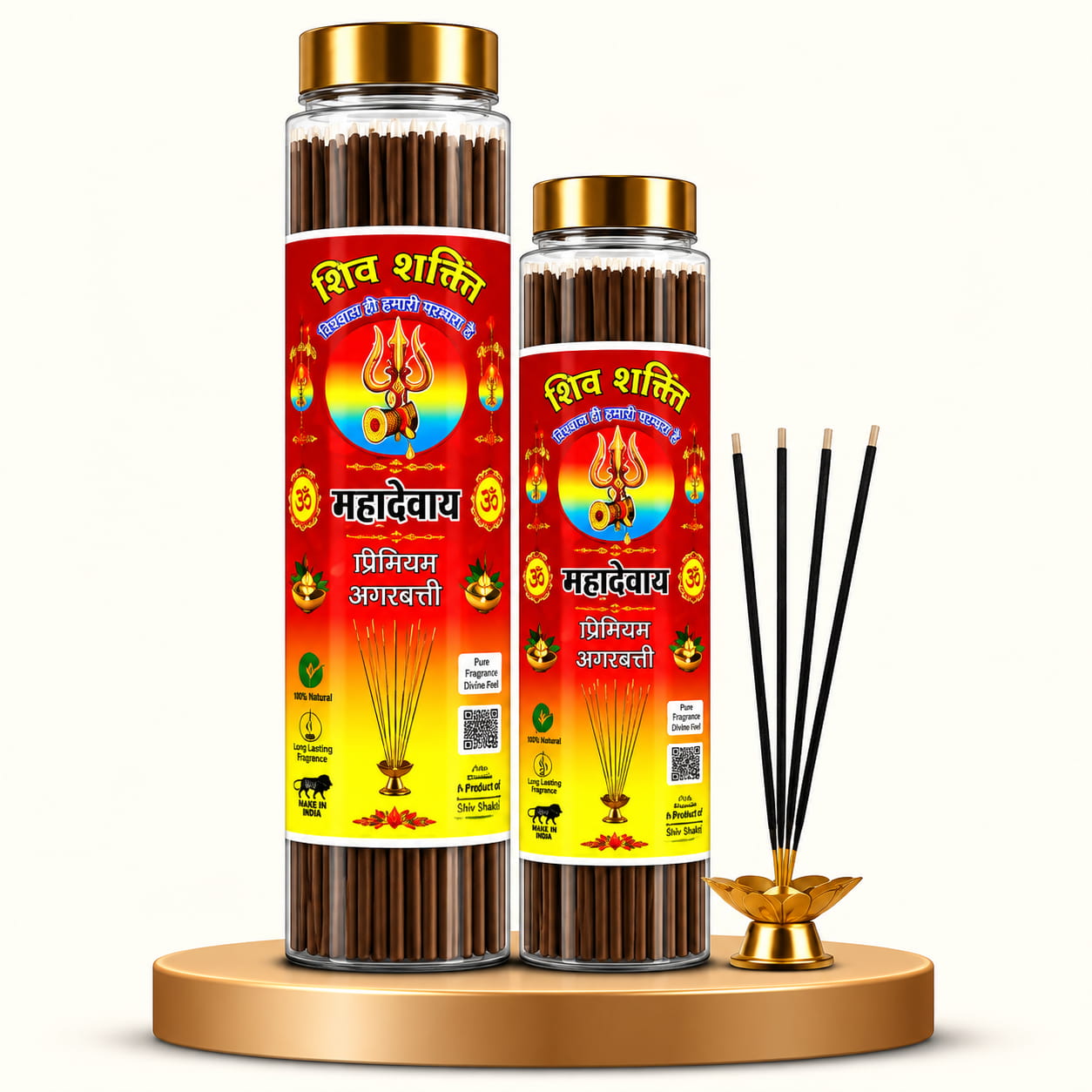
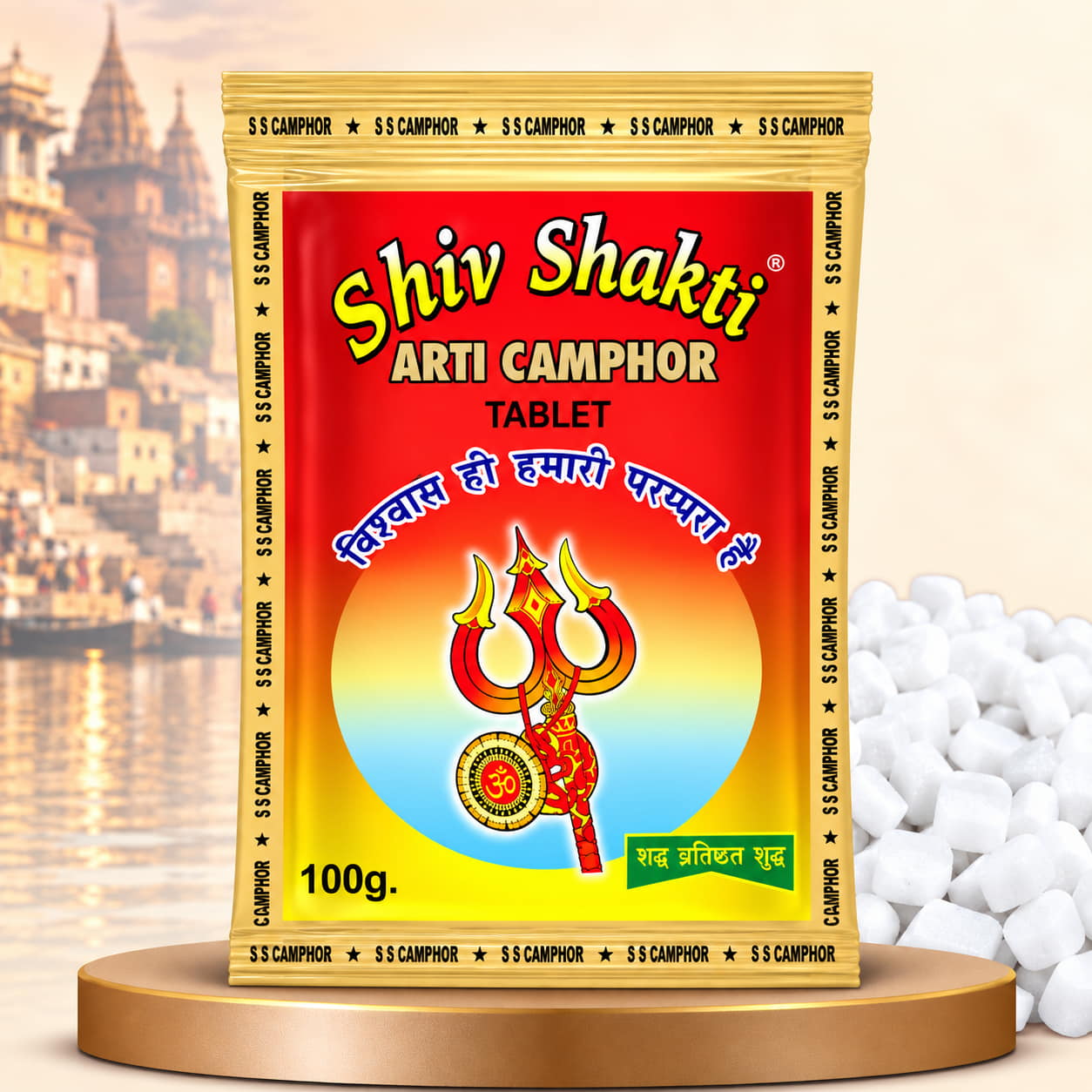
Everything here starts with pure material. Our camphor and incense are made in Gorakhpur with no wax and no bulking agents.
Browse the full rangeThe purity bench at our Gorakhpur workshop — the people who run the burn, residue and fragrance checks on every batch before it is sealed and boxed.
Pressed, cut and packed in our own Gorakhpur workshop — the exact packs mentioned above.
Still wondering
It is a long-standing household practice, provided the camphor is in a breathable cloth pouch rather than touching the clothes, and the wardrobe is not accessible to small children. Keep it away from silk and delicate finishes, and replace it every few weeks as it evaporates.
No. Puja camphor is not a cosmetic or a medicine, and it is genuinely harmful if swallowed. Keep tablets and pouches out of reach of children and pets, and treat anything you read about medicinal use as a question for a doctor, not for a camphor maker.
Light by zone rather than all at once, keep to one camphor tablet per aarti, and open a window for a few minutes afterwards. If anyone in the house has asthma, keep smoke to a minimum and check with their doctor first.
More answers on our help centre.
More from Wellness at Home and the rest of the journal.
Six quick tests — flame, residue, water, smell, touch and label — that separate 100% pure camphor from a wax-cut tablet, using…
The right way to light camphor for a daily aarti — how much to use, where to place the lamp, which way to rotate it, and the five…
A practical comparison of agarbatti, dhoop cones, dhoop sticks and sambrani cups — burn time, smoke, fragrance strength and the…